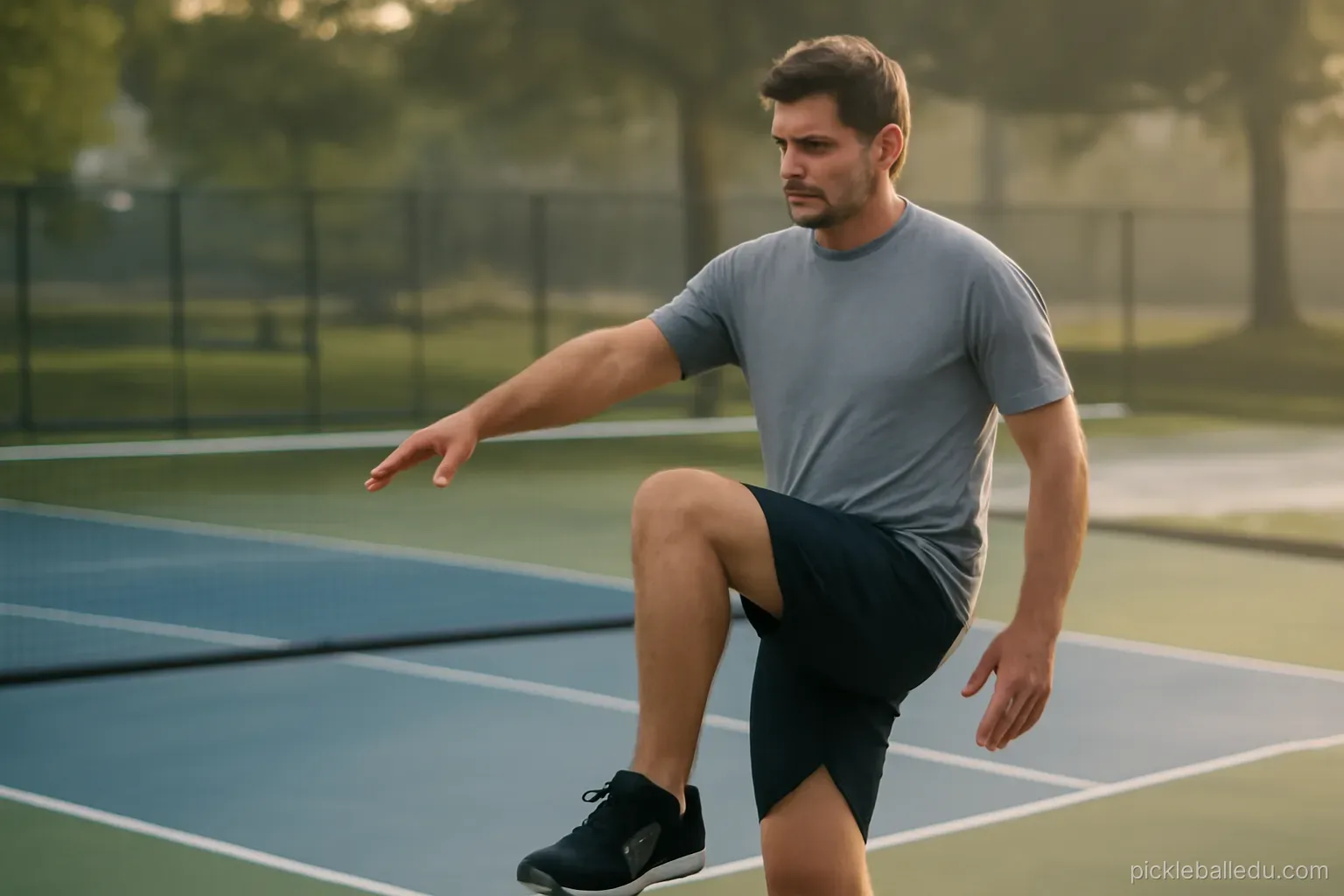
Ask any long-term player about their worst injury and you will often hear the same story: the first one healed, they came back for a friendly game, and something went badly wrong.
Re-injury is more common than first injury in recreational sport, and the reason is almost always the same — returning before the tissue and the movement pattern were ready.
Note: this is general guidance, not medical advice. Follow the instructions of the professional treating you, and get assessed before returning after any significant injury.
Why the temptation is so strong
- Pain goes away before healing finishes. This is the central trap — feeling fine is not the same as being ready.
- Pickleball is social. Missing sessions means missing your community, which is a real loss.
- Fitness fades quickly and players want to stop the slide.
- Games feel gentle — until a ball goes somewhere unexpected and you lunge without thinking.
- Nobody wants to be the person who sits out.
Signs you are not ready yet
- Pain during or after everyday activity.
- Noticeable swelling that returns after use.
- Reduced range of motion compared with the other side.
- Obvious strength difference between sides.
- You cannot hop, jog, or change direction without discomfort.
- You are protecting the area without thinking about it.
- You are relying on painkillers to get through.
The painkiller point matters: medication that hides pain lets you do damage you would otherwise avoid. If you need it to play, you are not ready to play.
A staged return
The principle: rebuild capacity in a controlled way before adding the unpredictable parts of a real game.
Stage one — everyday function. Normal walking, stairs, daily activity without pain or swelling.
Stage two — controlled movement. Jogging, lateral steps, gentle direction changes. No ball, no pressure.
Stage three — solo skills. Shadow swings, wall practice, dinking against a partner who feeds gently. Predictable, no chasing.
Stage four — controlled drills. Cooperative drilling where you know where the ball is going. Short sessions.
Stage five — easy games. Play with partners who know you are returning. Agree in advance that you are not chasing everything.
Stage six — normal play. Gradually rebuild duration before rebuilding intensity.
Rules for progression:
- Move up only when the current stage is comfortable during and the next day. The day-after response is the most honest signal you have.
- Change one thing at a time — duration or intensity, not both.
- Drop back a stage if symptoms return. This is not failure; it is information.
- Expect the whole process to take longer than you want.
Managing the social side
This is the practical problem nobody plans for:
- Tell your regular partners what you are doing. Most people are supportive once they know.
- Agree limits out loud before the game — that you are not going for lobs, that you will play two games and stop.
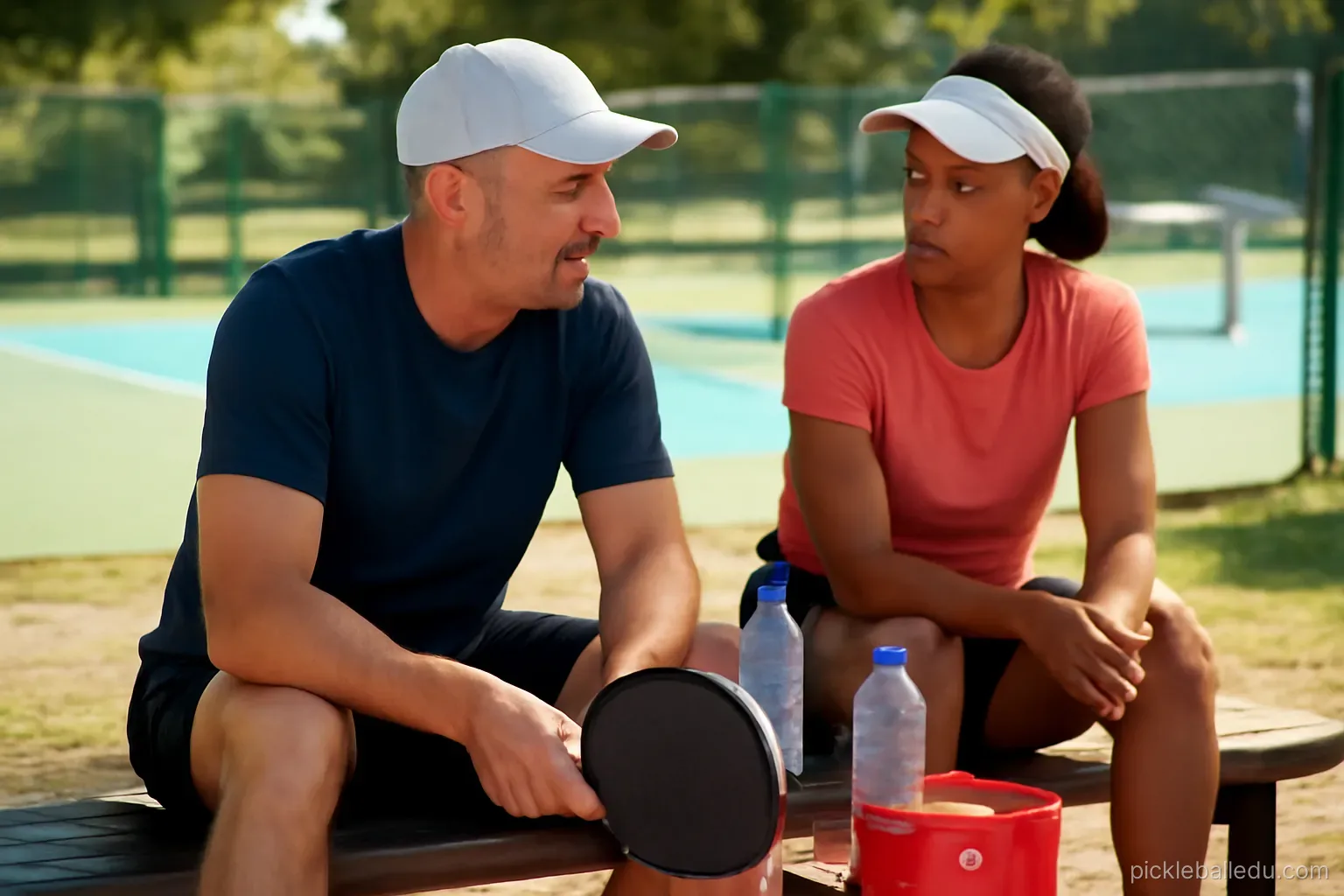
- Keep showing up even when you cannot play. Watching, feeding balls, or organising keeps you connected and makes returning easier.
- Be ready to say no to one more game. This is the moment most re-injuries happen.
- Avoid competitive play until fully recovered — in a close game, you will not make good decisions about your own body.
Fix the cause, not just the injury
Coming back to exactly what you were doing before invites the same result. Consider:
- Technique. Many overuse injuries trace back to a movement pattern. A session with a coach is often more useful than more rest.
- Footwear. Court shoes with proper lateral support, replaced when worn. Running shoes are a common cause of ankle problems on court.
- Warm-up. Genuine preparation before play, not one practice rally.
- Volume. Many injuries follow a sudden jump in how much someone plays.
- Strength. Targeted work for the area that failed, plus general strength. This is the most evidence-backed prevention there is.
- Recovery. Rest days, sleep, and not playing through warning signs.
- The backpedal habit. If your injury came from falling backward, this is the thing to change — turn and run instead.
Older players
Recovery genuinely takes longer with age, and this is not a reason to stop playing:
- Allow more time between hard sessions.
- Warm up longer — this matters more, not less.
- Strength training becomes more important with age, not less.
- Balance work reduces fall risk, which is the main source of serious injury.
- Discuss return with your doctor if you have other health conditions.
The mental side
Rarely discussed but common:
- Fear of re-injury is normal and often lasts after physical recovery.
- Confidence returns through graded exposure — small successful steps, not one big test.
- Frustration at reduced ability is normal. You will likely play worse for a while.
- If you find yourself avoiding play entirely long after clearance, talk to someone — this pattern is common and it responds well to being addressed.
When to seek help again
- Pain that increases rather than settles.
- Swelling that keeps returning.
- Giving way, locking, or instability.
- Numbness or tingling.
- No progress after several weeks.
- Any new symptom.
One thing worth remembering
Missing four weeks feels like a lot when you are in it. Missing six months because you came back at three weeks feels very different.
The players who are still on court in their seventies are almost never the ones who pushed through everything — they are the ones who took the boring recovery seriously each time.
Câu hỏi thường gặp
Why is re-injury so common?
Because pain goes away before healing finishes. Feeling fine is not the same as being ready, and most players return based on how they feel rather than on function.
What is the most honest signal of readiness?
The day-after response. Move up a stage only when the current one is comfortable both during and the next day.
Is it okay to take painkillers to play?
No. Medication that hides pain lets you do damage you would otherwise avoid. If you need it to play, you are not ready to play.
Where do most re-injuries happen?
In the extra game you agreed to at the end of a session, and in competitive play where you stop making good decisions about your own body.
What should change after recovery?
Look at technique, footwear, warm-up, playing volume, and strength work. Coming back to exactly what you were doing before invites the same result.