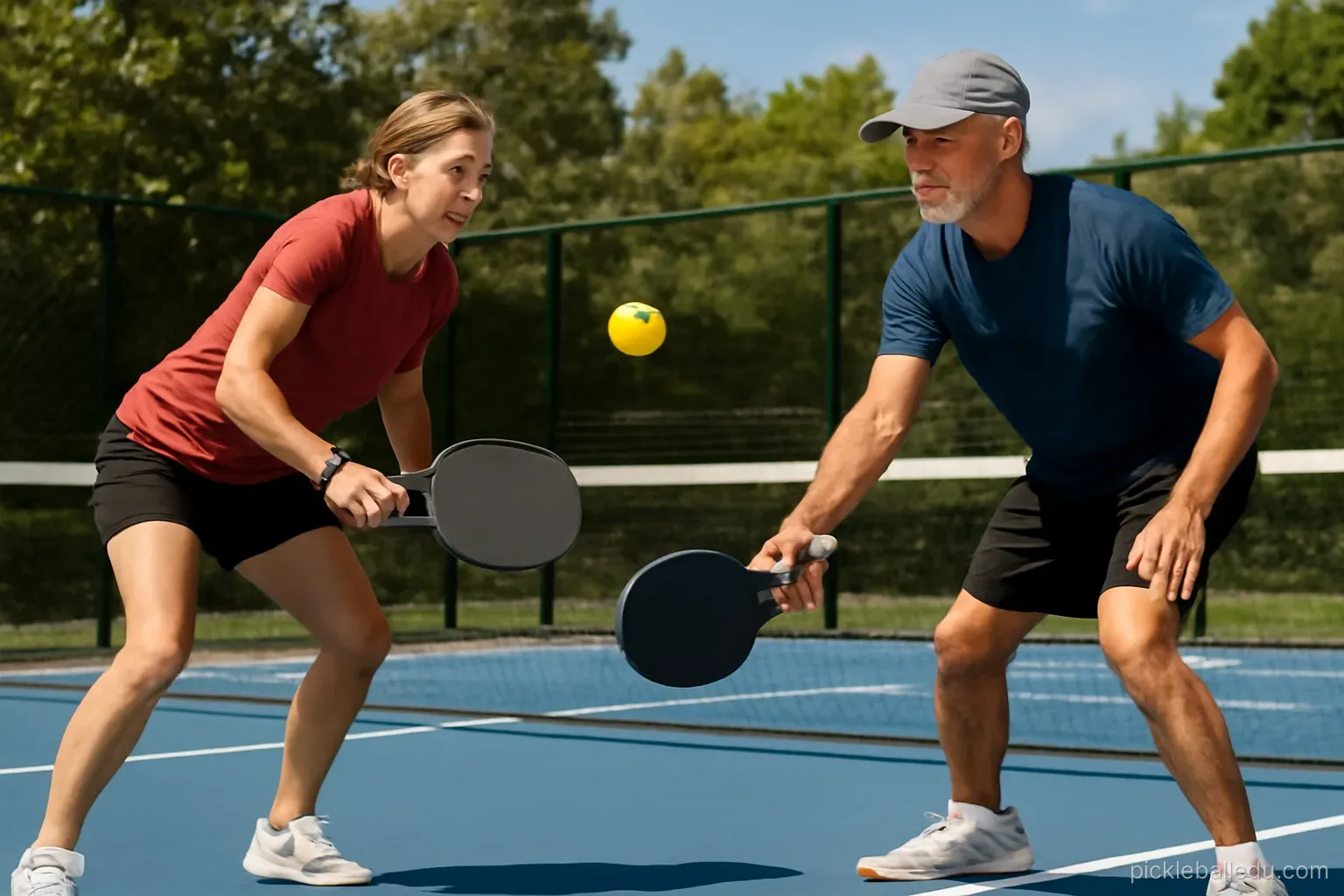
Understanding pickleball community early saves months of trial and error. In this article, Pickleball Edu takes a close look at "Running a local tournament people love", finishing with the questions we hear most often.
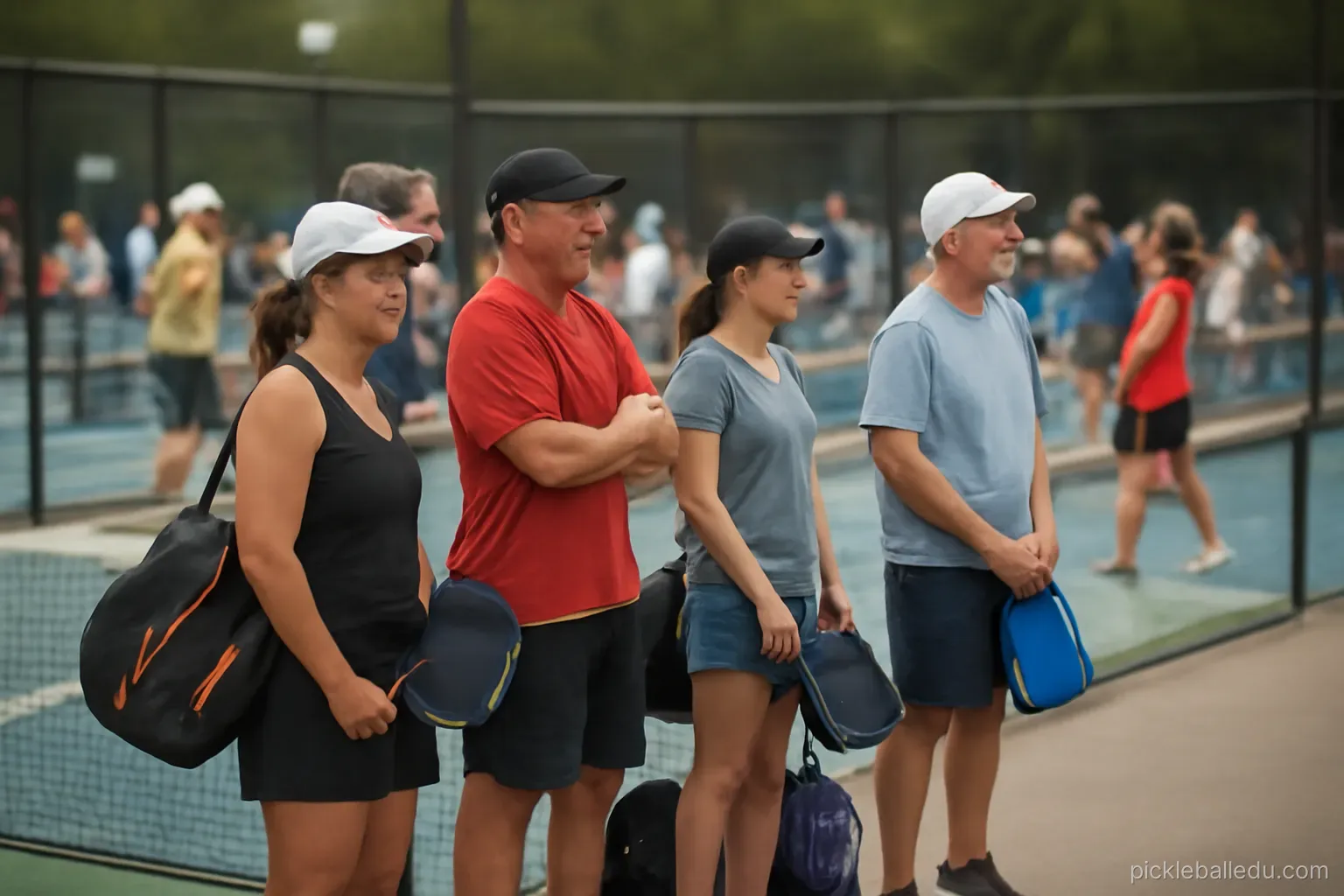
Everything below draws on the experience of people who have done this in practice, which means you can apply it right away. Open play sessions, where players rotate through a paddle queue, are the social engine of the sport and the easiest way for a newcomer to find their community.
Community, ratings and events
Experienced people consistently point to the following. Pickleball has become the fastest-growing racket sport in the world for one simple reason: a complete beginner can sustain real rallies within the first hour on court.
The court is roughly a quarter the size of a tennis court, which shifts the game away from raw athleticism and toward reflexes, placement and patient shot selection.
Lessons from experienced players
The essentials, in order of priority, look like this. A mid-priced composite paddle with a forgiving sweet spot teaches ball feel far better than a premium carbon paddle designed for players who already generate their own power.
Doubles strategy revolves around advancing to the kitchen line together as a team, and well-coordinated average players routinely defeat stronger individuals who play alone.
Getting started with pickleball community
A little context here prevents a lot of confusion later.
- From backyard pastime to professional tours with televised finals, pickleball now offers a full ladder of competition that any dedicated adult can realistically climb.
- The non-volley zone, universally known as the kitchen, forbids hitting the ball out of the air while standing inside it, and this single rule creates most of the sport's strategic depth.
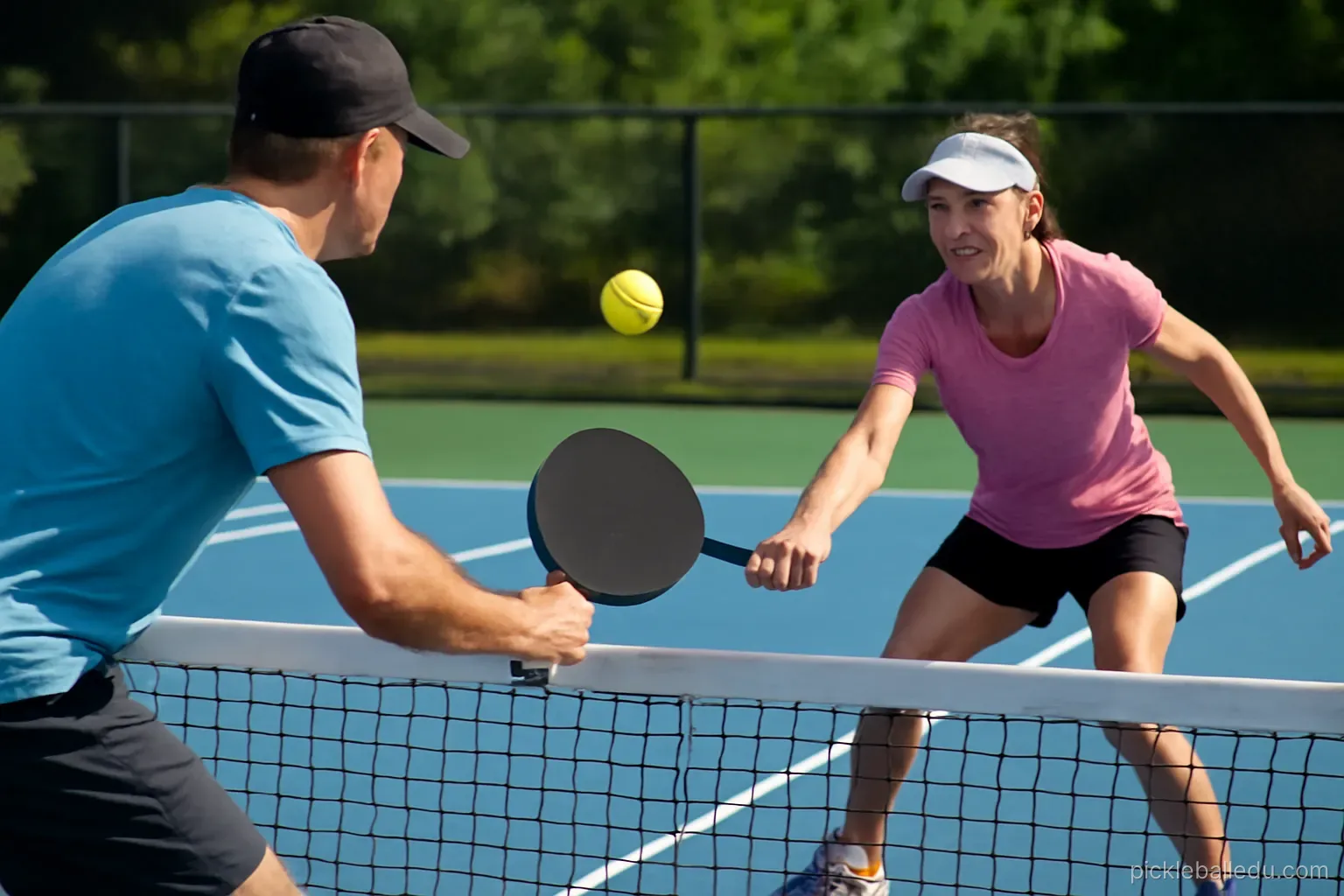
- The soft dink shot exchanged over the net looks gentle but is the true dividing line between casual and advanced play, forcing opponents out of position one inch at a time.
- The two-bounce rule, requiring the ball to bounce once on each side before anyone may volley, neutralises the serving advantage and keeps points alive from the very start.
Core technique and strategy
Here is the part of the picture most people miss. The soft dink shot exchanged over the net looks gentle but is the true dividing line between casual and advanced play, forcing opponents out of position one inch at a time.
Doubles strategy revolves around advancing to the kitchen line together as a team, and well-coordinated average players routinely defeat stronger individuals who play alone.
Gear, courts and equipment
This section repays a few minutes of careful reading. Pickleball has become the fastest-growing racket sport in the world for one simple reason: a complete beginner can sustain real rallies within the first hour on court.
The non-volley zone, universally known as the kitchen, forbids hitting the ball out of the air while standing inside it, and this single rule creates most of the sport's strategic depth.
Frequently asked questions
Is pickleball community suitable for complete beginners?
More than any other racket sport: the underhand serve and small court mean real rallies happen in your first session, which is exactly why the game spreads so fast.
What paddle should I buy first?
A mid-priced composite paddle with a large sweet spot; premium carbon paddles reward advanced technique and punish beginners, so save that upgrade for later.
How does the kitchen rule work?
You may never volley while touching the non-volley zone beside the net; you can step in to play a bounced ball, but must re-establish position outside before volleying again.
How do ratings like 3.0 and 4.0 work?
The 2.0-to-5.0 scale describes consistency and strategy rather than fitness; rate yourself honestly, play people slightly above you, and your number will follow.
Related articles
Pickleball Edu publishes practical guides on pickleball community. Explore more in the Community & Events section, or reach us via the contact details in the footer.